
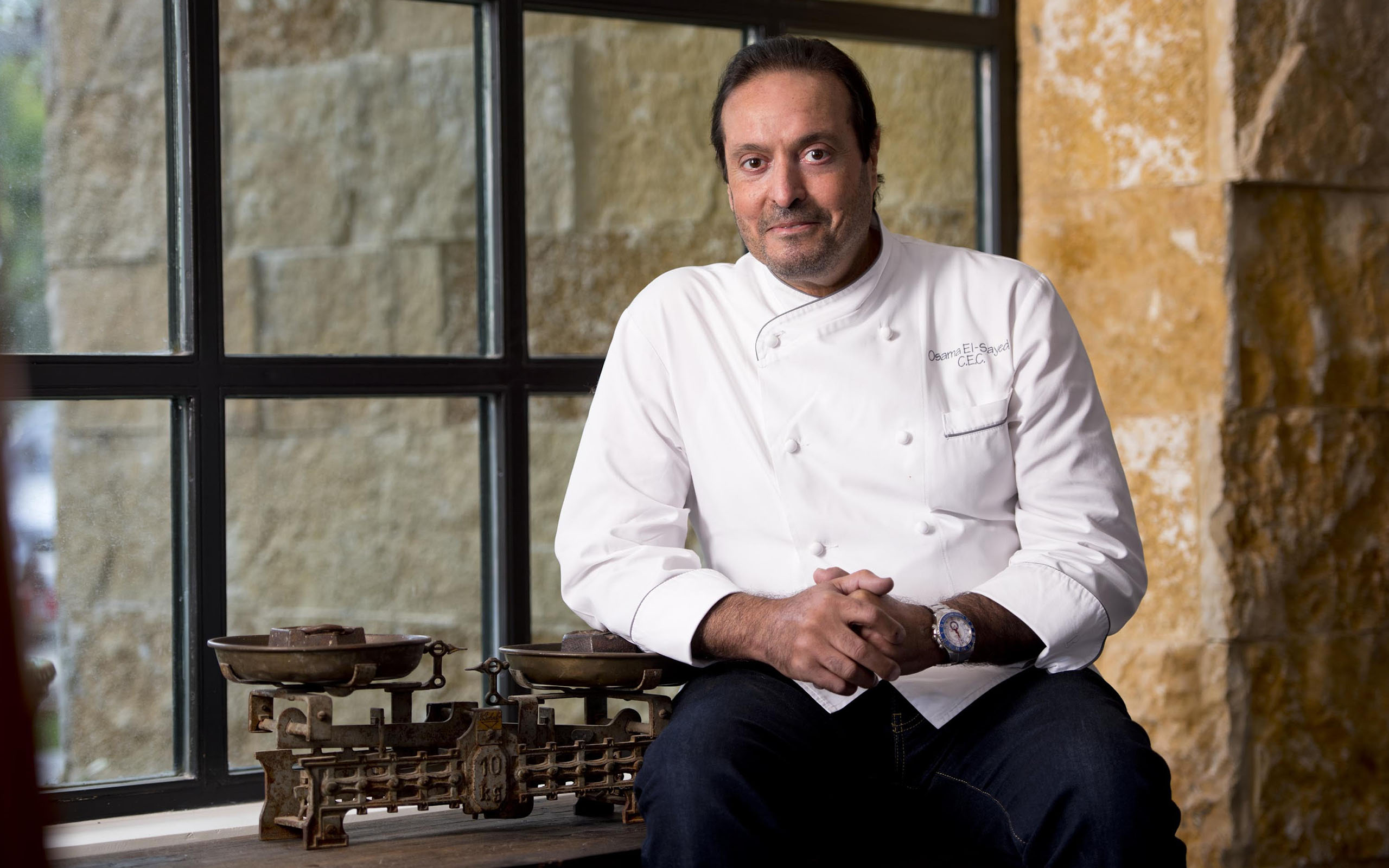



Chef Osama
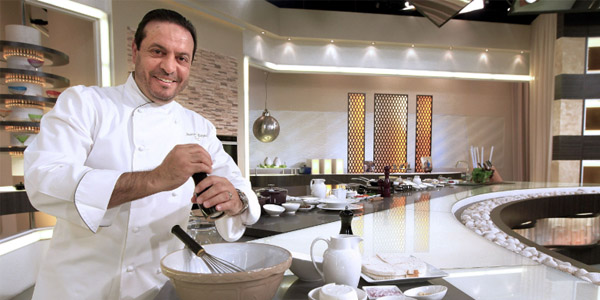
Find out moreRecognized for his culinary excellence, the Arab World’s most notable chef, Osama El-Sayed CEC, has served as brand ambassador and culinary consultant for internationally recognized companies and authored three cookbooks. “Bil Hanna Wa Shifa” (With Joy and Good Health), “Maa Osama Atayab”, (More delicious with Osama) and “Sweets of Arabia”, the uniqueness of this cookbook is that recipes can be found in both Arabic and English languages.
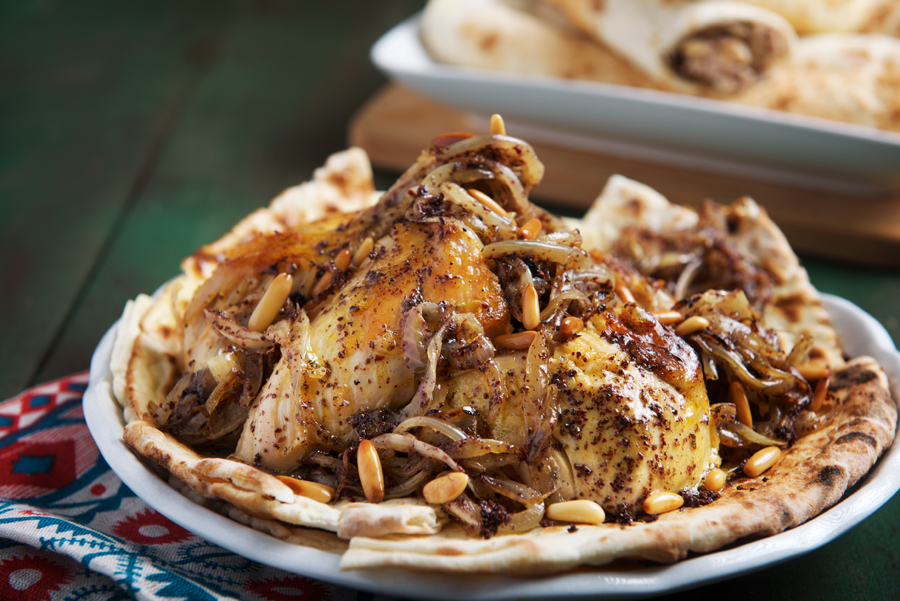
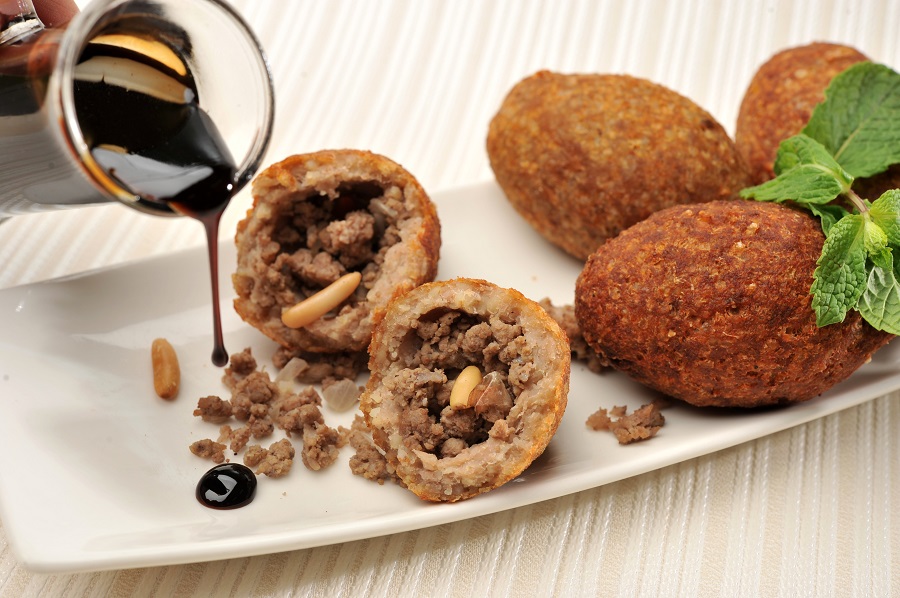
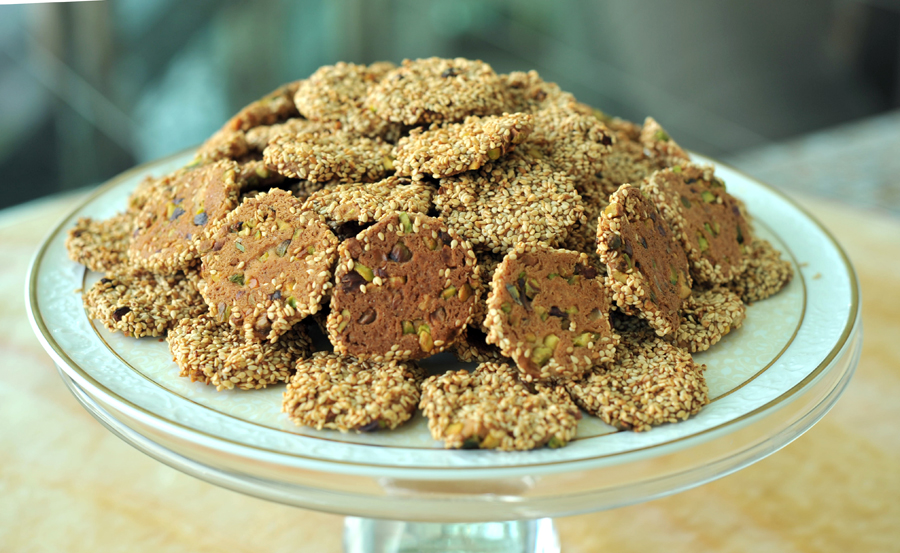
Read MoreView Our Latest Recipes
Find out more


Our Services
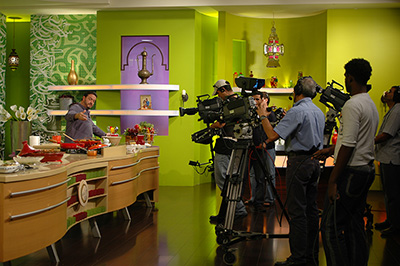
SEE MORESince the formation of “El Sage Associates” in the US for over three decades and later it’s subsidiary company”The Good taste”based in Dubai, food, equipment, and hospitality businesses have come to Chef Osama for an array of services from food safety and kitchen design to recipe, product and brand development. Our clients have included restaurants, hotels, kitchen appliances, ready meals in supermarkets and international food brands.
Read More

View Our Latest Posts
© 2019 Chef Osama. All Rights Reserved



